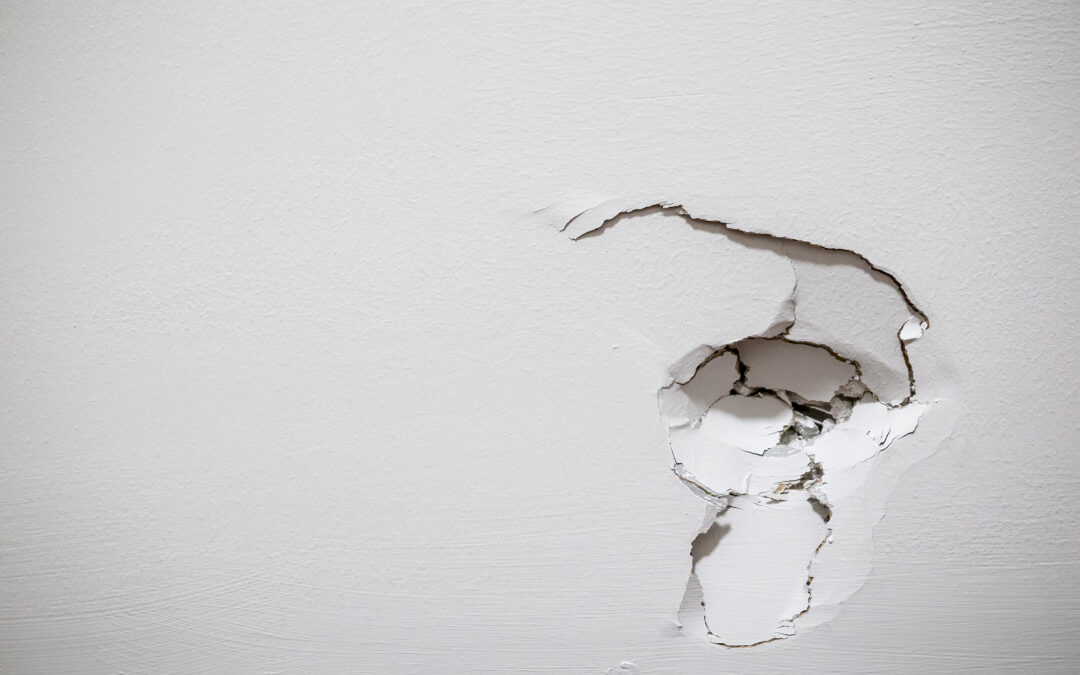
Repairing your drywall can be frustrating and time consuming and we’ll be discussing the types and causes of drywall damage, how to repair it on your own, and the significance of hiring a professional like Fix IT & Home Repair.
When your drywall cracks or breaks in any way, it can lead to hours of time repairing the frustrating damage. That’s why before you begin repairing your home, it can be wise to prepare so you can have your wall fixed quickly and effectively. To prepare, it can be smart to be aware of what kind of damage it is, how to repair it efficiently, and how a professional like me can help.
When you start to fix your drywall, you’ll want to identify what kind of damage your drywall has been afflicted with. By identifying what kind of physical trauma your drywall has, you’ll be able to determine how to properly repair it. Some of the most common types of drywall damage are caused by physical impact, moisture and humidity, structural stress, and installation flaws (What Are the Different Types of Drywall Damage?). Each of these causes can have major effects on your drywall, from cracks and holes to sagging and bubbling (How to Spot and Repair Drywall Damage in Your Home). So, as you prepare to fix your drywall, be aware of what caused it so you can know how to fix it correctly and gather the right tools to fix it.
After identifying the type and cause of damage, you’ll be able to begin repairing it properly and effectively. In general it’s important to understand that all holes and scrapes need some form of spackle. For larger holes, you’ll also need to apply a drywall patch and tape over the hole to fix the hole completely. To patch smaller pieces of drywall, it’s smart to scrape off any extra residue, like chipping paint, cover it with spackle using a putty knife (make sure you scrape it so it’s level), then once it’s completely dry, you’ll want to sand and paint over the spot (How to Repair Drywall and Patch Holes in the Wall Like a Pro). By following such directions, you’ll be able to effectively patch your small holes. For larger holes, it’s wise to cut out the rest of the hole in an easy to handle shape, like a square. Then, you need to cut and install supports for maximum performance. Next, you’ll want to measure and cut out the drywall patch and then install the patch. After it’s fit in, you’ll want to tape and seal the drywall patch (How to Patch and Repair Drywall). Repairing your broken drywall can be difficult, but by following these steps, you’ll be able to fix your wall like you’ve done it many times before.
Despite these steps being seemingly simpler than expected, they can often take a while to accomplish and can often require skillful hands for the job. That’s why hiring a professional like me at Fix IT and Home Repair can be a great help when drywall problems arise. With over 10 years of experience working on drywall in Southern Utah, I can have your wall repaired quickly and professionally (Fix IT & Home Repair). So call me today at (435)-319-0155 and see how I can help you fix your drywall at the highest quality possible.